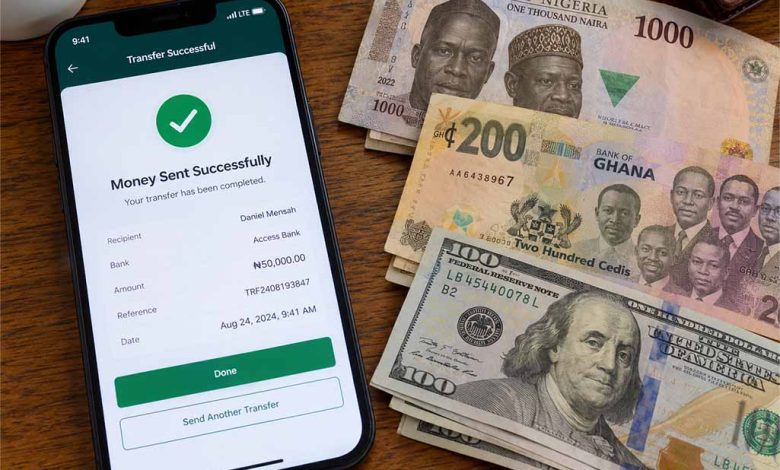
Remittances to Africa Hit $124 Billion: What It Means for You
Every year, millions of Africans living abroad quietly fund hospitals, school fees, rents, and small businesses back home. This week, new figures put a number on that generosity – and it is staggering. Remittances to Africa reached $124.2 billion in 2025, an 86% increase compared with 2016, according to data from the International Fund for Agricultural Development (IFAD) reported by Benin Web TV and Capital Ethiopia. The surge is being driven in part by digital payment channels that are steadily lowering the cost of sending money.
If you have ever stood at a transfer counter or opened an app on payday to send money to Lagos, Accra, Nairobi, or Dakar, you are part of the biggest financial lifeline the continent has. Here is what the new numbers actually show, what is behind them, and how to keep more of your money in your family’s hands.
What the Numbers Say
The headline figure comes from IFAD, a United Nations agency that tracks flows to developing countries. Globally, remittances to developing nations reached an estimated $728.6 billion in 2025, nearly doubling over the past decade, as Ghana News reported from the same dataset. Africa’s $124.2 billion share represents money sent mostly by ordinary migrants rather than governments or corporations – which is exactly why economists watch it so closely.
Two verified facts stand out. First, the growth rate: 86% over roughly a decade, far outpacing most official aid flows. Second, the channel shift: reporting on the new data notes that digital transfer channels are lowering costs, allowing smaller and more frequent transfers that older cash-to-cash systems made impractical.
Why the Money Moves Digitally Now
The traditional remittance experience – long queues, high flat fees, and exchange-rate margins that only became clear after the fact – is being disrupted. Mobile wallets, app-based transfer services, and partnerships between fintech companies and African banks have compressed both cost and delivery time. In many corridors, money that once took days now lands in a relative’s mobile wallet in minutes.
This matters because cost is the single biggest lever in remittances. The World Bank has long documented that reducing transfer fees puts billions of extra dollars directly into the hands of recipient families. Every percentage point shaved off fees is money that reaches a classroom, a clinic, or a market stall rather than a middleman.
What It Means for Diaspora Households
The practical takeaway for our community is straightforward. First, competition is your friend. The explosion of digital providers means the app you used last year may not be the cheapest option this year. It pays to compare total cost – fees plus the exchange rate you are actually offered – before each transfer, especially for large amounts like school fee payments.
Second, frequency and size matter. Some providers charge flat fees, which makes several small transfers more expensive than one larger one. Others offer better rates above certain thresholds. If you send money monthly, do the math once and set a routine.
Third, document the purpose. For readers supporting family businesses or land purchases back home, keeping simple records of transfers protects everyone if questions arise about the source or use of funds.
The Bigger Picture: Diaspora as an Economic Engine
Analysts and development institutions increasingly describe the diaspora as an economic engine rather than a backup plan. Remittances now dwarf many forms of foreign investment in several African countries, and they have proven remarkably stable during downturns – when times are hard back home, senders abroad often dig deeper, not less.
That resilience carries weight. It also carries responsibility. The same digital rails that cut costs have made it easier to support long-term goals – funding a sibling’s vocational training, capitalizing a family business, or contributing to community projects – rather than only emergency needs. Some diaspora groups now pool remittances for collective investments, a trend worth watching.
How to Send Money Home Without Overpaying
A few habits make a real difference. Compare at least two providers for the same corridor before sending. Check the mid-market exchange rate first so you can see the margin being charged. Watch for promotional first-transfer rates that revert to higher pricing. And be careful with informal channels – they may look cheaper, but they offer no protection if something goes wrong.
For larger commitments, such as supporting construction or medical bills, ask your recipient whether a direct bank deposit or a mobile-money payout is cheaper on their end. The last mile sometimes carries hidden costs too.
What to Watch Next
Expect the digital remittance trend to deepen. African governments, keen to formalize these flows, continue to license new payment providers and plug into faster payment systems. That competition should keep pushing costs down, though conflicts, currency shortages, and regulation can still disrupt specific corridors from time to time.
The Bottom Line
The $124 billion figure is a testament to the commitment of Africans abroad – including the many PalavaHut readers who send money home every month. Treat your remittances like the serious financial activity they are: compare providers, watch exchange rates, and think beyond emergencies.