How African Music Finds New Global Audiences
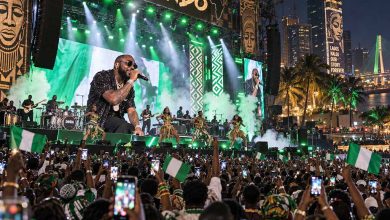
African music is often discussed in the United States through a small number of global hits, yet the continent’s musical life is much wider than a chart playlist. Regional languages, instruments, city scenes, and traditions produce distinct sounds that do not always fit the labels favored by international streaming services. A current BBC World Service listing for This Is Africa, its weekly African music program, offers a useful reminder that discovery requires more than waiting for an algorithm to recommend the next popular song.
The BBC describes This Is Africa as a program featuring music from across the continent, led by presenter DJ Edu. Its listings show ongoing episodes and artist-focused material. That much can be verified from the broadcaster’s program information. The existence of a new weekly listing does not establish that a particular artist released a new album, received an award, or topped a chart. A responsible article should distinguish what the broadcaster is airing from any independent claims about record sales, listening figures, or the size of a musician’s following.
Music discovery matters to the African diaspora because songs carry language, place, and memory across borders. A listener raised in the United States may find an unexpected connection to a parent’s hometown through an artist who never appears on domestic radio. Another may simply enjoy a sound without sharing that heritage. Both experiences are valid. Good music journalism gives readers enough background to understand an artist’s local context while avoiding the suggestion that a single act represents an entire country or genre.
For musicians and independent labels, international exposure can create opportunities, but visibility is not the same as sustainable income. Recording costs, distribution agreements, intellectual-property rights, live performance logistics, and the division of royalties still matter. Diaspora concert promoters and cultural organizations can support artists by booking fairly negotiated performances and giving credit to writers, performers, and producers. Media outlets also play a role when they interview emerging talent rather than repeating publicity claims about instant global fame.
Readers can broaden their playlists deliberately. Explore public broadcasters, community radio programs, regional charts with clear methodologies, and local music writers. When you discover a performer, follow the official artist channel and verify where recordings or tickets can be obtained. Share a song together with its language, location, and creative credits instead of reposting an unattributed clip. Parents and young listeners might build a family playlist that combines older favorites with artists representing the sounds of today.
The BBC program is one starting point, not a complete map of African music. A lively and informed cultural conversation should make room for East, West, Central, North, and Southern African traditions, their differences, and the artists reshaping them. PalavaHut can contribute by connecting US-based audiences with music coverage that is curious, precise, and attentive to people behind the performances. The next breakout act is interesting; the wider ecosystem that helps artists create and survive is the deeper story.