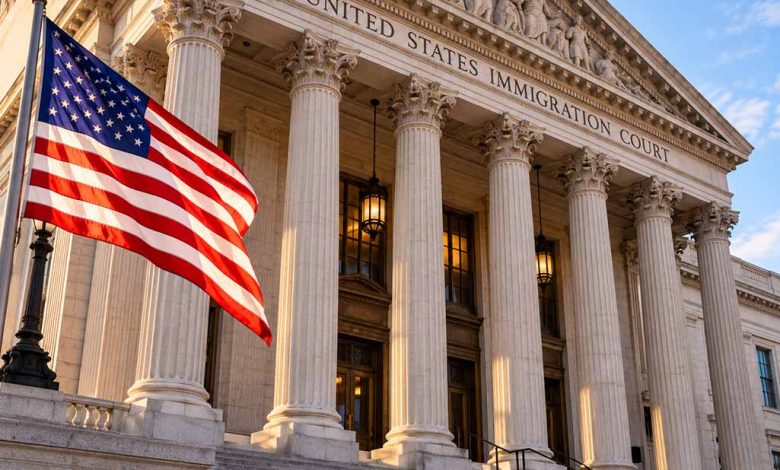
One of the strangest and most consequential immigration stories of the year took a new turn this week. A US judge has ordered the return of Brayan Omar Sanchez Servellon, a Honduran migrant who had been deported to the Central African Republic – an African nation that is not his home country – according to ABC News. The ruling was reported on September 21, roughly a month after his removal.
The case sits at the center of one of the most disputed questions in American immigration policy today: the practice of deporting people not to their home countries, but to third nations, including countries in Africa. For PalavaHut’s community – African diaspora families, mixed-status households, and immigrants watching these developments closely – this is a story about where the law is heading, told carefully.
This is a developing story. The ruling could be appealed, and details continue to emerge. What follows separates what is verified from what remains contested.
According to ABC News, the deportee is a Honduran national who was sent to the Central African Republic despite having no citizenship or prior connection there. A judge has now ordered his return to the United States. The case is not an isolated headline: The Guardian published a same-day investigation into what it described as secret deportation deals sending people to unfamiliar countries, and The Washington Post reported that a federal refugee bureau has been repurposed into a deportation operation with a reported budget of $410 million.
Those are the confirmed facts from the reporting available. Everything beyond them – motives, legality, and where this ends – remains genuinely unsettled.
The policy framework itself is the subject of fierce legal and political argument. Supporters of third-country removals argue they are a lawful tool for removing people whose home countries will not accept them, and that courts should defer to the government on foreign policy. Critics argue the practice can violate due process, expose people to danger in countries they have never known, and effectively punish migrants by banishing them to unfamiliar continents.
Courts have been split case by case, which is why this judge’s order matters: each ruling becomes a building block in the emerging law. The Honduran man’s case – deported to a country with no tie to him – is exactly the kind of fact pattern that tests the boundaries of the practice.
For PalavaHut readers, the Africa connection is the part mainstream coverage underplays. Several African nations – including, in this case, the Central African Republic – have been named in reporting as destinations or negotiating partners for removals. These arrangements, where they exist, are typically made between governments with little public scrutiny, and ordinary citizens of those countries often learn of them only through the international press.
The dignity question cuts deep: African nations are being positioned as destinations for people other countries do not want, a dynamic that many Africans find uncomfortable. It also raises practical concerns – about capacity, about conditions for deportees who land in countries facing their own instability, and about what happens to people with no language, family, or support system there.
Turning news into practical guidance, and keeping it evergreen. First, know that cases like this one show courts remain a check – rulings can and do order remedies. Second, anyone in removal proceedings should have current, competent legal representation; nonprofit legal aid organizations and accredited representatives serve immigrants regardless of ability to pay, and having a lawyer materially changes outcomes in immigration court.
Third, families should keep organized records – filing receipts, court notices, and A-numbers – in one place, and should never sign documents they do not understand. Fourth, be careful with unverified advice circulating on social media about immigration enforcement; immigration law is fact-specific, and rumors travel faster than rulings.
A note of caution from the facts we have: this is a fast-moving legal area. Policies described today may be altered by appeal, settlement, or new rulings tomorrow.
Watch whether the government complies with the return order and on what timeline. Watch for appeals, which could define the legal standard for third-country removals nationwide. And watch whether more cases like this surface, as The Guardian’s reporting suggests they may.
A Honduran man deported to the Central African Republic may soon be returned by court order – a single case that captures the collision between immigration enforcement and due process. For diaspora families, the lesson is not panic but preparation: papers in order, legal help engaged, and news from reliable sources.
Follow PalavaHut’s News section for balanced coverage of immigration stories affecting our community, and share this article with anyone who needs a clear-eyed read on this developing case.