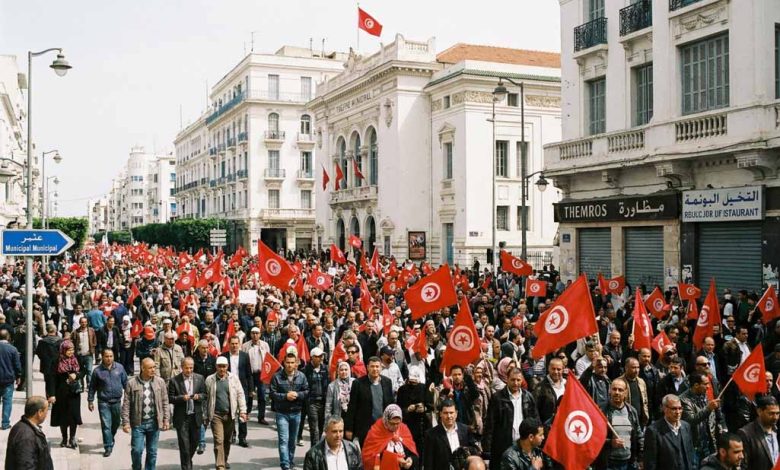
Tunisia’s latest demonstrations are about more than one political leader. They reflect an argument over who has power, how that power is checked, and whether families can meet everyday costs. On October 17 Reuters reported one of the country’s largest protests in years against President Kais Saied. For readers abroad, especially Tunisians supporting relatives at home, the story is a reminder that political headlines and household economics are often part of the same conversation.
Reuters described thousands of protesters in Tunis, including labor union members, civil society representatives, opposition supporters, and citizens frustrated by living conditions. Participants criticized the concentration of power under Saied and cited economic problems including unemployment and interruptions to basic services. Saied has rejected portrayals of his rule as authoritarian. Those competing positions must be kept distinct: the size and occurrence of a demonstration can be reported, while political accusations and defenses should be attributed to the people making them. Individual allegations still require independent corroboration.
Tunisia holds a prominent place in recent democratic history because its 2011 uprising helped inspire movements across the region. That history does not tell us exactly what will happen in 2026. A large rally can expose discontent without producing immediate institutional change. Likewise, labor participation may make a protest more consequential by linking constitutional questions to wages, workplace rights, public transport, and purchasing power. The analytical question is whether the protest can produce sustained negotiation and credible solutions, not whether a single crowd predicts the government’s future.
The economic stakes are personal. A small business owner faces uncertainty when customers reduce spending or streets become difficult to navigate. Young job seekers watch hiring conditions and the practical opportunities available to them. Families with members overseas may compare remittance needs, health expenses, or planned travel with official conditions on the ground. None of those implications proves that one protest has disrupted the entire country. They explain why readers need neighborhood-specific reports and verified public-service updates rather than broad claims that Tunisia has become inaccessible.
Anyone traveling to Tunisia should check current advisories, demonstrations near planned routes, and locally confirmed transport arrangements. Diaspora organizations can host discussions that distinguish the right to peaceful assembly from debates about proposed economic policies. Business readers should track policy announcements and independently sourced inflation and employment data before treating political rhetoric as a financial forecast. When sharing dramatic images, confirm where and when the footage was filmed, since old protest videos can circulate as if they show a new event.
The next developments worth watching include any government response, union decisions, proposals addressing living costs, and reports from independent civil-rights monitors. There is no verified basis to claim the October demonstration alone will force a change of government. What it does show is that a broad set of Tunisians is publicly pressing for answers. PalavaHut can contribute by placing the latest political event in the larger North African story of jobs, accountability, and the everyday experiences of African citizens.