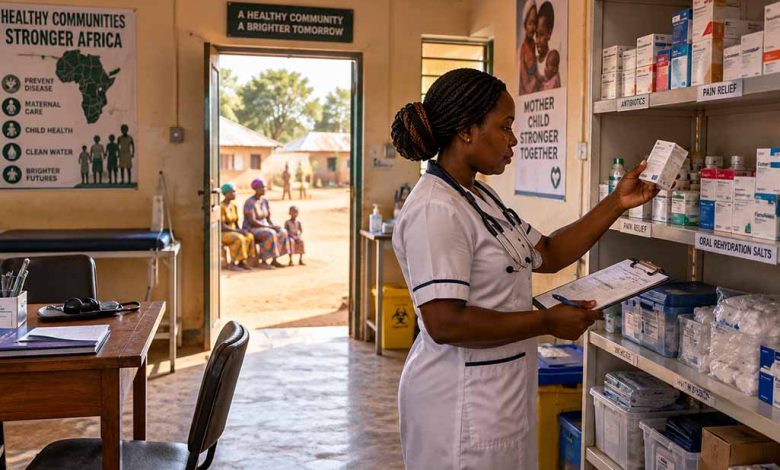
For years, the African diaspora has quietly filled gaps in the continent’s health systems – paying for medications, hospital bills, and medical travel for relatives back home. A report highlighted by The Guardian this week suggests that burden is about to get heavier. Healthcare across Africa is under growing strain, the report warns, following the United States’ withdrawal from aid programs.
The Guardian’s coverage lands on top of a broader, well-documented shift: the dismantling of the US Agency for International Development (USAID) in 2025 and the cancellation of major foreign-funded health programs, which Afrobarometer, the continent’s leading survey research organization, has described as intensifying an existing reckoning for Africa’s health systems.
Here is what the evidence shows, what it means for the families PalavaHut readers support, and how to help without making things worse.
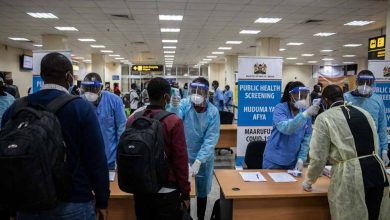
Start with the verified facts. The Guardian’s September 21 report warns of growing strain on African healthcare following the US withdrawal from aid programs. Afrobarometer’s own research, published in April 2026, had already quantified the human side: among Africans who had contact with a public clinic or hospital during the previous year, half – 51% – said it was difficult or very difficult to obtain the care they needed.
That survey figure predates the full effects of the aid contraction, which is precisely why the new report’s warning matters. Afrobarometer’s paper documents how the USAID dismantling and program cancellations disrupted health financing across multiple countries in 2025.
Now the analysis layer. Health systems that depended on external funding do not collapse overnight – they erode. Stock-outs become more common. Preventive programs – vaccination drives, maternal health visits, HIV medication distribution – are usually the first cut, because they are less visible than emergency care. That erosion is what strain looks like before it becomes crisis.
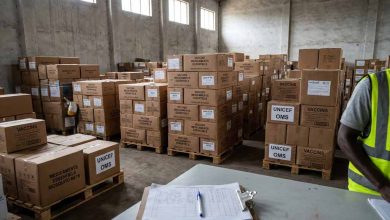
The United States had been the largest single funder of global health programs, supporting HIV/AIDS treatment, malaria prevention, maternal health, and disease surveillance across the continent. When that funding ended, it did not just reduce budgets; it unsettled systems that had been organized around it – supply chains, staffing plans, and clinic schedules built to match American-supported programs.
Other funders have not closed the gap. Domestic budgets in many countries remain tight, and alternative donors have filled only fractions of the shortfall. The result, as reporting over the past year has consistently shown, is a continent recalibrating its health financing on the fly.
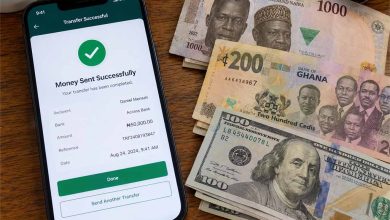
For readers in the United States, the connection is direct. When clinics back home run short, families abroad get the call. Diaspora households already absorb outsized health costs for relatives – and the emerging data suggests those calls will come more often.
Some practical guidance. First, budget for health the way you budget for school fees: a small, regular amount set aside for medical emergencies beats a panicked fundraising drive. Second, support institutions, not just individuals – community clinics and local health funds often stretch dollars further than one-off hospital payments. Third, ask relatives for specifics when they request money for treatment: facility names, itemized costs, and diagnoses. Scammers follow health crises, and verifying details protects everyone.
Beyond family support, many diaspora readers give to health causes on the continent. A few evergreen principles. Give to organizations with local leadership and audited finances. Prefer programs that strengthen systems – training health workers, equipping clinics – over one-time shipments that treat symptoms of the funding gap. And be skeptical of any fundraiser that cannot say exactly what your money buys.
It is also worth engaging policy, not just charity. Diaspora voices carry weight in both Washington and African capitals, and informed advocacy – understanding which programs ended, which continue, and what replaces them – is part of the toolkit.
Watch how individual countries respond: some are expanding domestic health budgets, others are negotiating new partnerships, and the differences will shape outcomes more than any single report. Watch for follow-up data – Afrobarometer’s next survey round will show whether the 51% difficulty figure worsens. And watch US politics, where aid policy remains contested and could shift again.
A note on reading this responsibly: this is a developing picture. Reports warn of strain; they do not yet show a uniform collapse, and conditions vary sharply by country. Treat sweeping claims in either direction with caution.
Africa’s health systems are absorbing a historic funding shock, and the diaspora is the shock absorber of last resort for millions of families. Understanding the trend helps you prepare – and give – more effectively.
Follow PalavaHut’s Health section for continuing coverage of the stories affecting wellness across Africa and the diaspora, and share this article with anyone supporting family health costs back home.