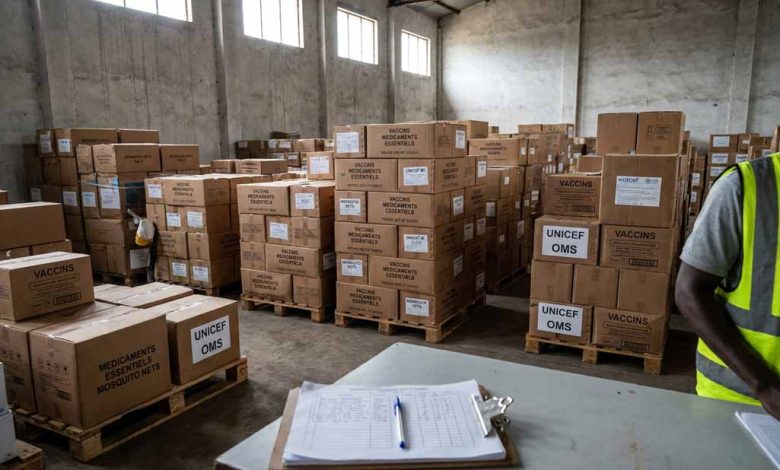
When an emergency health response depends on donations, every missing financial report creates another question. People want to know whether clinics have gloves, whether health teams are being paid, and whether local communities can see where assistance goes. An October 16 Reuters report raised an important issue in the Democratic Republic of Congo’s Ebola response: a large gap between money donors have provided and spending information available to authorities. Understanding that gap calls for careful language rather than instant accusations.
According to Reuters, Africa CDC director general Jean Kaseya said that financial information made available by implementing organizations left more than $700 million in donor response funds not accounted for in the reporting received by authorities. He said it was too early to describe the gap as embezzlement. Reuters reported that approximately $962 million had been disbursed to organizations implementing response activities, while only a portion of partners supplied financial information at a recent government meeting. The verified claim is a reporting and reconciliation problem; the available account does not establish that the full amount was stolen or wasted.
This distinction matters in an outbreak where misinformation can already undermine trust in doctors. A public allegation of theft without proof may discourage people from seeking treatment or cooperating with health teams. At the same time, officials and donors cannot dismiss the need for documentation. A useful audit separates committed money from money transferred, then distinguishes expenditure, cash on hand, obligations, procurement, and services actually delivered. Different organizations may report on different schedules, and those differences need to be reconciled openly.
For African diaspora donors in the United States, the story is a reminder to ask concrete questions before supporting any humanitarian appeal. Does an organization publish audited financial statements? Can it describe the facilities or communities it serves without exposing patients? Does it explain administrative costs and name the local partners responsible for delivery? These checks do not guarantee perfect performance, but they make accountability possible. Businesses planning in-kind donations should also ask whether the requested equipment can be stored, maintained, and distributed where needed.
Donors and community groups can request dated program updates, independent evaluation findings, and a clear distinction between pledged and spent funds. Journalists should seek comment from the organizations implicated in broad financial summaries, and avoid identifying an individual as responsible for a funding discrepancy without evidence. Readers should also resist simplistic league tables ranking charities by overhead alone: emergency procurement, transportation, protective equipment, and secure storage all have legitimate costs. What matters is whether spending is documented and connected to outcomes.
Watch for reconciled financial reports, responses from implementing organizations, and whether health agencies publish a common reporting format. The Congo outbreak itself requires urgent clinical action regardless of how long financial reviews take. Transparency and treatment are not competing priorities; reliable accounts can help direct scarce supplies to the people who need them. PalavaHut’s health and business sections can keep this conversation focused on evidence, patient needs, and the practical responsibilities of institutions handling public funds.